Data platforms
Make the foundation trustworthy
Connect source systems, define what the data means, and make it dependable for reporting and applications.
I build data systems and applications that turn complex requirements into reliable tools.
What I Build
I work from the initial problem through architecture, implementation, and verification. The aim is software that fits the work, handles everyday use reliably, and stays practical to maintain.
Explore selected buildsMulti-cloud background
AWS + Azure + GCP
Data products at scale
Millions of rows/day
AI with guardrails
Agents + rules
Personal products
Published apps
Data platforms
Connect source systems, define what the data means, and make it dependable for reporting and applications.
Operational apps
Build applications and reporting around the people using them, with clear workflows and practical maintenance needs.
AI-assisted systems
Give agents the context and tools to do useful work, with checks that verify results and clear points for human judgment.
Field Notes
I write about the decisions that keep software useful and practical to maintain, with explanations and examples from my work.
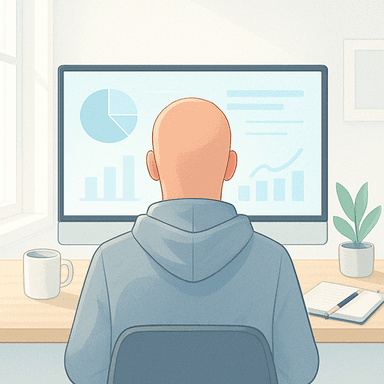
Data, apps, cloud, and AI
Practical systems that help people make decisions and get work done.
About Paul DeSalvo
My background in data architecture shapes how I build applications: understand the business, make the data trustworthy, and choose foundations that fit the problem. I use AI to carry more of that work through to a complete, usable system.
Good systems make important work easier to do and easier to keep doing.
Next step
Explore applications and data systems I have built, along with the problems they solve and the decisions behind them.